The Roman Aqueducts Built Bodies of Iron: The Hidden Health Secret Flowing Through Ancient Stone
The Romans drank from rivers that fell out of the sky, and it made them strong as bulls. Discover the hidden health secret still flowing through ancient stone today.
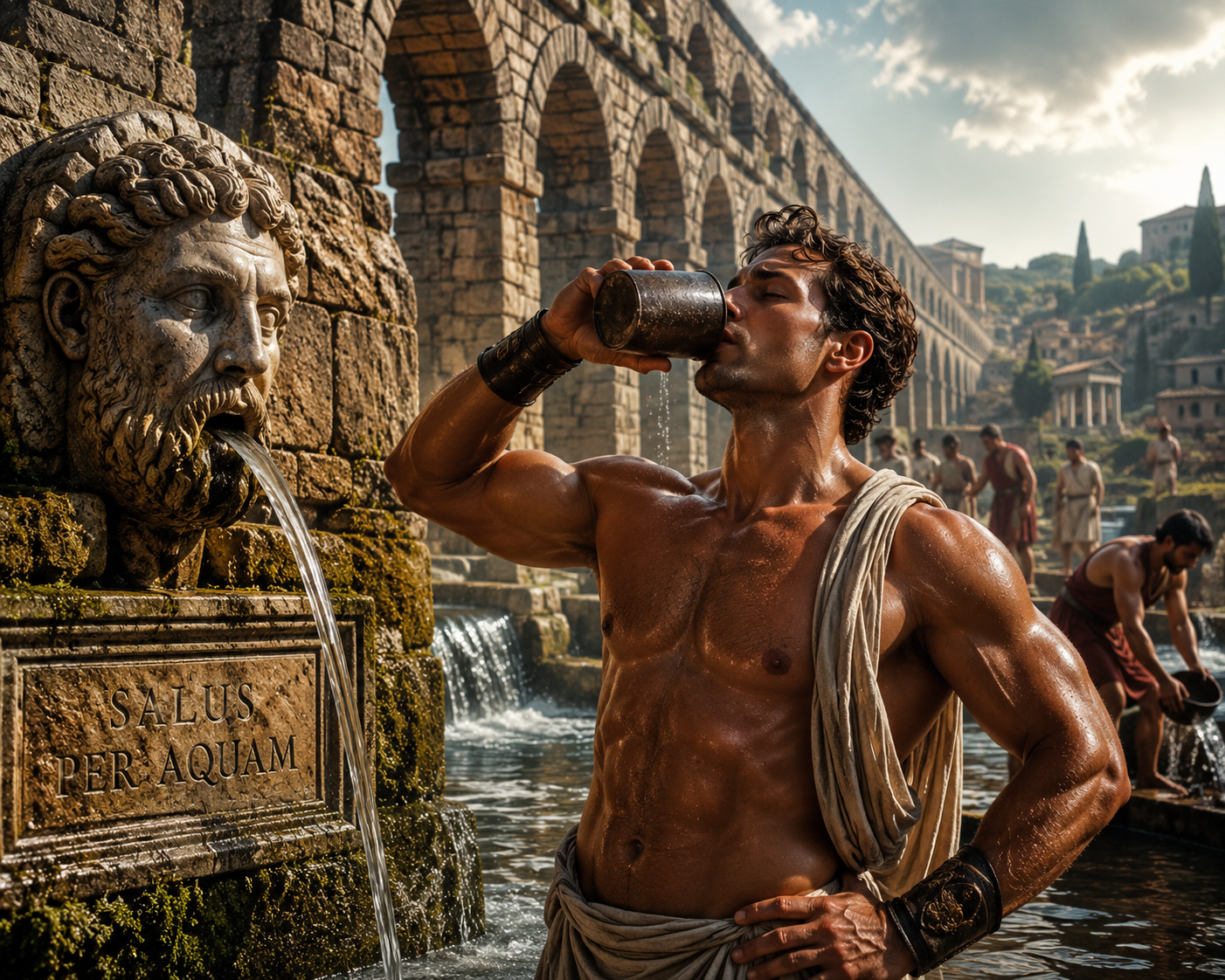
The Romans drank from rivers that fell out of the sky, and it made them strong as bulls. 🐂 Long before anyone knew what a germ was, the people of Rome bathed daily, drank clean mountain water, and walked around with skin that glowed like polished marble. Their hearts were tough. Their bones were dense. Their lungs were full of air scented with pine and stone. All of this because of one mad, magnificent idea: bring the mountains to the city.
They called it acqua viva, which means "living water." Not water that sat still in a dirty bucket. Water that ran, that breathed, that never stopped moving. In Italy there is still a saying, l'acqua che scorre non porta veleno, "running water carries no poison." The old ones knew this in their bones two thousand years ago.
A River That Walked on Air 🌉
Picture it. A stone channel, thin as a hallway, marching across the countryside on tall arches. Some of these arches stood higher than a ten story building. The water inside dropped only a few inches for every long stretch it traveled, so gentle that a snail could have raced it and felt proud.
The engineers had no machines. No motors. No electricity. Just gravity, math, and stubbornness. They tilted the whole thing so perfectly that water crawled downhill for over fifty miles and arrived in the city cold and sweet.
Here is the shocking part: some of these aqueducts still work today. In Rome you can still drink from public fountains fed by water that started its journey in the ancient world. The pipes never quit. The Romans built for forever, not for Tuesday.
Why Their Bodies Were So Healthy
Clean water changes everything. When a city drinks from a filthy well, people get sick, weak, and tired. But Rome drank from the hills. This meant:
- 💧 Fresh water for drinking that did not rot the belly
- 🛁 Public baths where rich and poor scrubbed off the dirt of the day
- 🚽 Sewers that flushed the sickness out of the streets
- ⛲ Fountains on every corner so no one went thirsty
A Roman worker could stop mid morning, cup his hands under a spurting fountain, and drink water colder than the shadow of a cave. The Italians have a word for this small daily joy, la spensieratezza, a kind of carefree lightness. A body that is clean and watered moves through the day without heaviness.
The Baths Were a Religion 🛁
The Romans did not just wash. They soaked. They steamed. They plunged into cold pools that slapped the sleep right out of them, then dove into hot pools that melted the aches away. Doctors today would nod and say this is good for the heart, good for the blood, good for the mind.
They did it every single day. Poor men who owned nothing but a tunic still bathed like emperors, because the water belonged to everyone. In Italy there is a phrase, il bagno lava anche i pensieri, "the bath washes even your thoughts." A clean body carried a clear mind.
They understood something we forgot. Health was not a pill. It was water, movement, sunlight, and the company of other people laughing in a steaming pool.
The Mischief Hidden in the Stone
Here is a naughty little secret. Some wealthy Romans cheated. They drilled illegal pipes into the public aqueducts to steal water for their private gardens and fountains. 😈 The water police, real men with a real job, hunted these thieves down. Imagine getting arrested for stealing a river.
And the lead. Ah, the lead. The Romans lined some pipes with lead, and yes, lead is poison. But the water moved so fast and carried so much lime that it coated the inside of the pipes like a shell, protecting the drinker. Even their mistakes somehow bent toward survival.
What the Stones Still Whisper
Walk the Italian countryside today and you can still find these arches standing in golden fields, half wrapped in wildflowers, casting long shadows at sunset. Sheep graze beneath them. Old men nap in their shade. The stone is warm to the touch, warm the way a living thing is warm.
These were not just pipes. They were promises. A promise that a child born in the city would have water as clean as a mountain spring. That the sick would have a place to heal. That a tired body could be made new again with a splash of cold and a lungful of steam.
The Romans died. Their empire crumbled into dust and legend. But their water still runs. Somewhere in Rome right now, a thirsty child is bending over a fountain, drinking from a river that has been falling out of the mountains for two thousand years, growing strong on the stubborn genius of men who built with their whole hearts and never once planned to fail.
The water does not remember them. But it keeps their promise anyway.